
Loading...
Popular:
Loading...
Compounds commonly studied together in growth hormone pathway research
Research Focus
GH pathway modulation
Compounds
2 included
Purity
98%+ HPLC verified
Shipping
Careful packaging
This configuration includes compounds commonly studied together in published peer-reviewed research on growth hormone signaling pathways. CJC-1295 is a synthetic GHRH analog studied for its receptor binding affinity and pharmacokinetic profile. Ipamorelin is a selective ghrelin receptor agonist investigated for its GH secretagogue properties with selectivity for GH release over other pituitary hormones. Published research has characterized the complementary mechanisms of GHRH analogs and ghrelin mimetics in growth hormone pathway studies.
CJC-1295 is a GHRH (growth hormone releasing hormone) analog that extends the half-life of endogenous GH pulses. Combined with Ipamorelin, a selective ghrelin receptor agonist, it produces sustained GH elevation without the cortisol or prolactin spikes seen with other secretagogues.
The standalone Ipamorelin vial provides additional concentration flexibility. Ipamorelin is one of the most selective GH-releasing peptides available, with a well-documented profile in research literature.
Growth hormone pathway modulation has been linked in published research to connective tissue mechanisms, sleep architecture, and body composition changes in preclinical models.
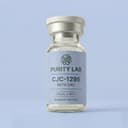
5mg / 5mg · 99%+ purity
Growth hormone support for recovery and body composition
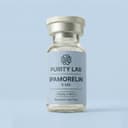
10mg · 99%+ purity
A selective ghrelin receptor agonist studied for pulsatile GH release without cortisol or prolactin elevation in published research
Subscribe to receive your research compounds on a recurring schedule. You can pause, skip, or cancel anytime from your account. Every product ships with a published Certificate of Analysis from an independent US lab.
2 compounds included
Full CoA published for every batch
Careful packaging included
Orders processed within 1 business day
Explore our other compound configurations commonly studied together in published literature.
All protocols represent common research configurations documented in published scientific literature. They do not constitute medical treatment plans, therapeutic recommendations, or dosing instructions for human use. All products are for in-vitro laboratory research only.